
189 lines
4.4 KiB
Plaintext
189 lines
4.4 KiB
Plaintext
---
|
|
title: Quickstart
|
|
description: Build a small Fluxer bot with JavaScript using discord.js core
|
|
---
|
|
|
|
Fluxer's HTTP and Gateway APIs are Discord-compatible in many places. You can use the low-level `discord.js` core packages as your REST + WebSocket clients.
|
|
|
|
This quickstart:
|
|
- gets you to “ping → pong”
|
|
- uses only the `discord.js` core packages that map closely to Fluxer
|
|
- avoids framework-style abstractions until Fluxer SDKs exist for your language
|
|
|
|
<Callout type="info" title="Packages used">
|
|
- `@discordjs/core`
|
|
- `@discordjs/rest`
|
|
- `@discordjs/ws`
|
|
|
|
We're not using the full `discord.js` library. Treat these as typed REST + WebSocket clients that speak the Discord Gateway protocol.
|
|
</Callout>
|
|
|
|
<Callout type="warning" title="Compatibility">
|
|
Fluxer is not Discord.
|
|
|
|
- Discord-only features/events/helpers in the wider `discord.js` ecosystem may not work.
|
|
- Fluxer may ship payloads/features these packages don't support.
|
|
- For larger or long-lived bots, expect Fluxer-specific code (or use a Fluxer SDK when available).
|
|
|
|
Use this as a quickstart, not a production architecture.
|
|
</Callout>
|
|
|
|
You will:
|
|
- set up a Node.js project
|
|
- create a Fluxer application and bot token
|
|
- build a minimal “ping → pong” bot
|
|
|
|
---
|
|
|
|
## Prerequisites
|
|
|
|
- [Node.js](https://nodejs.org/en/) (LTS)
|
|
- A Fluxer account (https://web.fluxer.app/register)
|
|
- A text editor/IDE (for example, [VS Code](https://code.visualstudio.com/))
|
|
- Basic JavaScript/Node.js familiarity
|
|
|
|
<Callout type="warning" title="Keep your bot token secret">
|
|
Your bot token controls your bot. Don't commit it to Git. Use environment variables or a
|
|
secrets manager.
|
|
</Callout>
|
|
|
|
---
|
|
|
|
## Step 1: Set up your project
|
|
|
|
1. Create a directory:
|
|
```bash
|
|
mkdir fluxer-quickstart
|
|
cd fluxer-quickstart
|
|
```
|
|
|
|
2. Create `package.json`:
|
|
```bash
|
|
echo '{
|
|
"name": "fluxer-quickstart",
|
|
"version": "1.0.0",
|
|
"type": "module",
|
|
"main": "bot.js"
|
|
}' > package.json
|
|
```
|
|
|
|
3. Install dependencies:
|
|
```bash
|
|
npm install @discordjs/core @discordjs/rest @discordjs/ws
|
|
```
|
|
|
|
---
|
|
|
|
## Step 2: Create a Fluxer application and bot
|
|
|
|
1. Open the Fluxer app and sign in.
|
|
|
|
2. Go to **User Settings → Applications**.
|
|
|
|
3. Create an application.
|
|
|
|
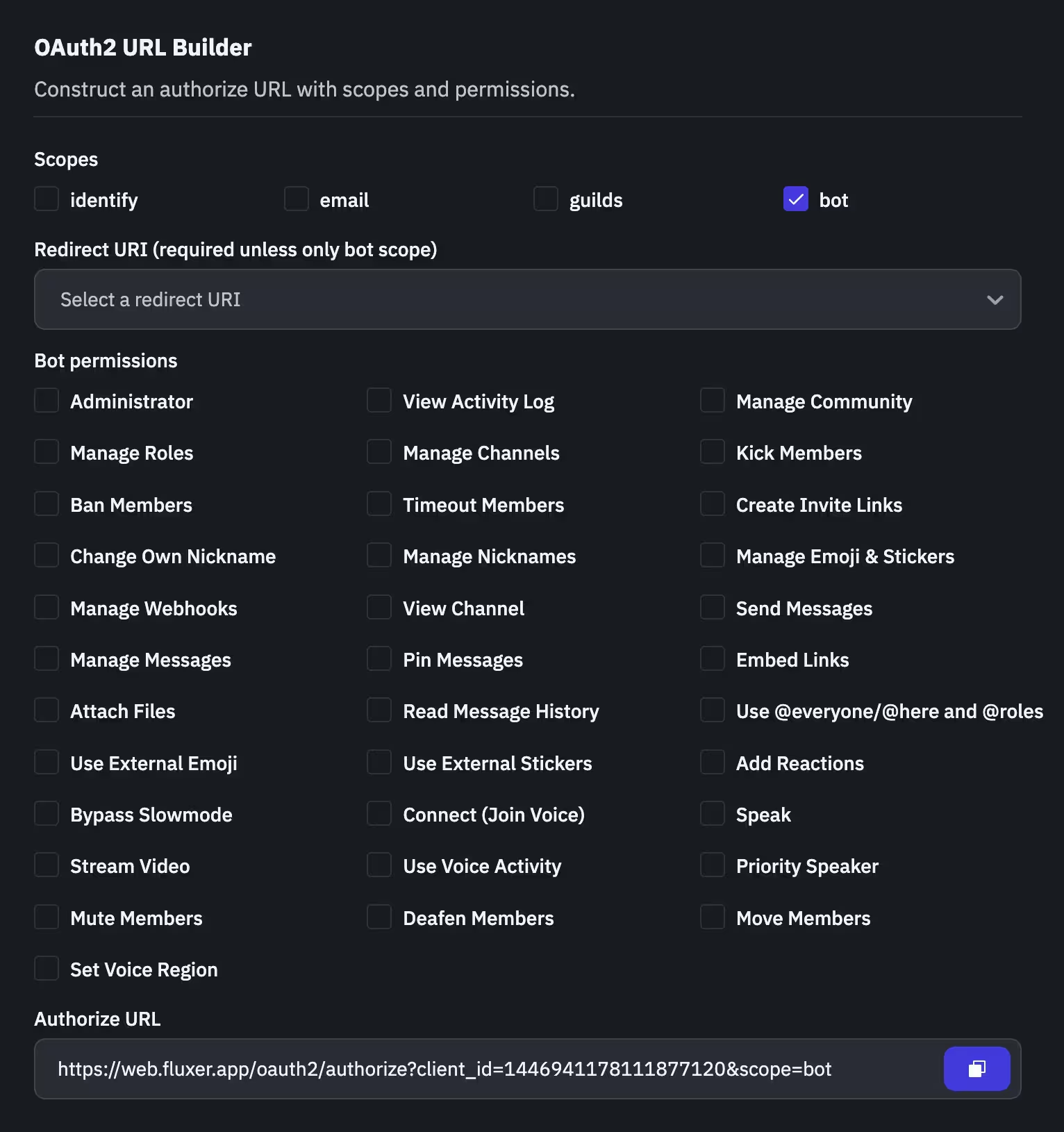
4. On the application page:
|
|
- Copy the bot token.
|
|
- In **OAuth2 URL Builder**, select **Bot**.
|
|
- (Optional) Pre-grant permissions.
|
|
- Copy the **Authorize URL**.
|
|
|
|
|
|
|
|
5. Open the Authorize URL, pick a community, and click **Authorize**.
|
|
|
|
---
|
|
|
|
## Step 3: Set your bot token
|
|
|
|
Set `FLUXER_BOT_TOKEN`.
|
|
|
|
macOS/Linux:
|
|
```bash
|
|
export FLUXER_BOT_TOKEN="your_bot_token_here"
|
|
```
|
|
|
|
Windows (Command Prompt):
|
|
```cmd
|
|
set FLUXER_BOT_TOKEN="your_bot_token_here"
|
|
```
|
|
|
|
Windows (PowerShell):
|
|
```powershell
|
|
$Env:FLUXER_BOT_TOKEN = "your_bot_token_here"
|
|
```
|
|
|
|
---
|
|
|
|
## Step 4: Write the bot
|
|
|
|
Create `bot.js`:
|
|
```javascript
|
|
import { Client, GatewayDispatchEvents } from "@discordjs/core";
|
|
import { REST } from "@discordjs/rest";
|
|
import { WebSocketManager } from "@discordjs/ws";
|
|
|
|
const token = process.env.FLUXER_BOT_TOKEN;
|
|
|
|
if (!token) {
|
|
console.error("Missing FLUXER_BOT_TOKEN environment variable.");
|
|
process.exit(1);
|
|
}
|
|
|
|
const rest = new REST({
|
|
api: "https://api.fluxer.app",
|
|
version: "1",
|
|
}).setToken(token);
|
|
|
|
const gateway = new WebSocketManager({
|
|
token,
|
|
intents: 0, // Fluxer has no intents yet
|
|
rest,
|
|
version: "1",
|
|
});
|
|
|
|
export const client = new Client({ rest, gateway });
|
|
|
|
client.on(GatewayDispatchEvents.MessageCreate, async ({ api, data }) => {
|
|
if (data.content === "ping") {
|
|
await api.channels.createMessage(data.channel_id, { content: "pong" });
|
|
}
|
|
});
|
|
|
|
client.on(GatewayDispatchEvents.Ready, ({ data }) => {
|
|
console.log(`Logged in as ${data.user.username}#${data.user.discriminator}`);
|
|
});
|
|
|
|
gateway.connect();
|
|
```
|
|
|
|
---
|
|
|
|
## Step 5: Run the bot
|
|
|
|
```bash
|
|
node bot.js
|
|
```
|
|
|
|
Expected output:
|
|
```text
|
|
Logged in as MyFluxerBot#0000
|
|
```
|
|
|
|
Send `ping` in a channel the bot can read/write. It should reply `pong`.
|
|
|
|
If it doesn't:
|
|
- Ensure `FLUXER_BOT_TOKEN` is set in the same shell.
|
|
- Confirm the bot is authorized into the correct community.
|
|
- Confirm the bot can access the test channel.
|
|
|
|
---
|
|
|
|
## Next steps
|
|
|
|
- Read the [Fluxer API reference](./api-reference)
|
|
- Review [Gateway Events](./events/gateway-events.mdx)
|
|
- Add more handlers
|
|
- Use Fluxer HTTP calls for features not covered by `discord.js` core
|
|
- If you're up for it: build a Fluxer SDK for your language!
|